Prague: worth it for architecture portfolios, not general sites
- architecture studios
- interior designers
- renovation companies
- 3D visualization portfolios
- you want a block-first WordPress site
- you need a very lightweight theme
- you expect to change themes later
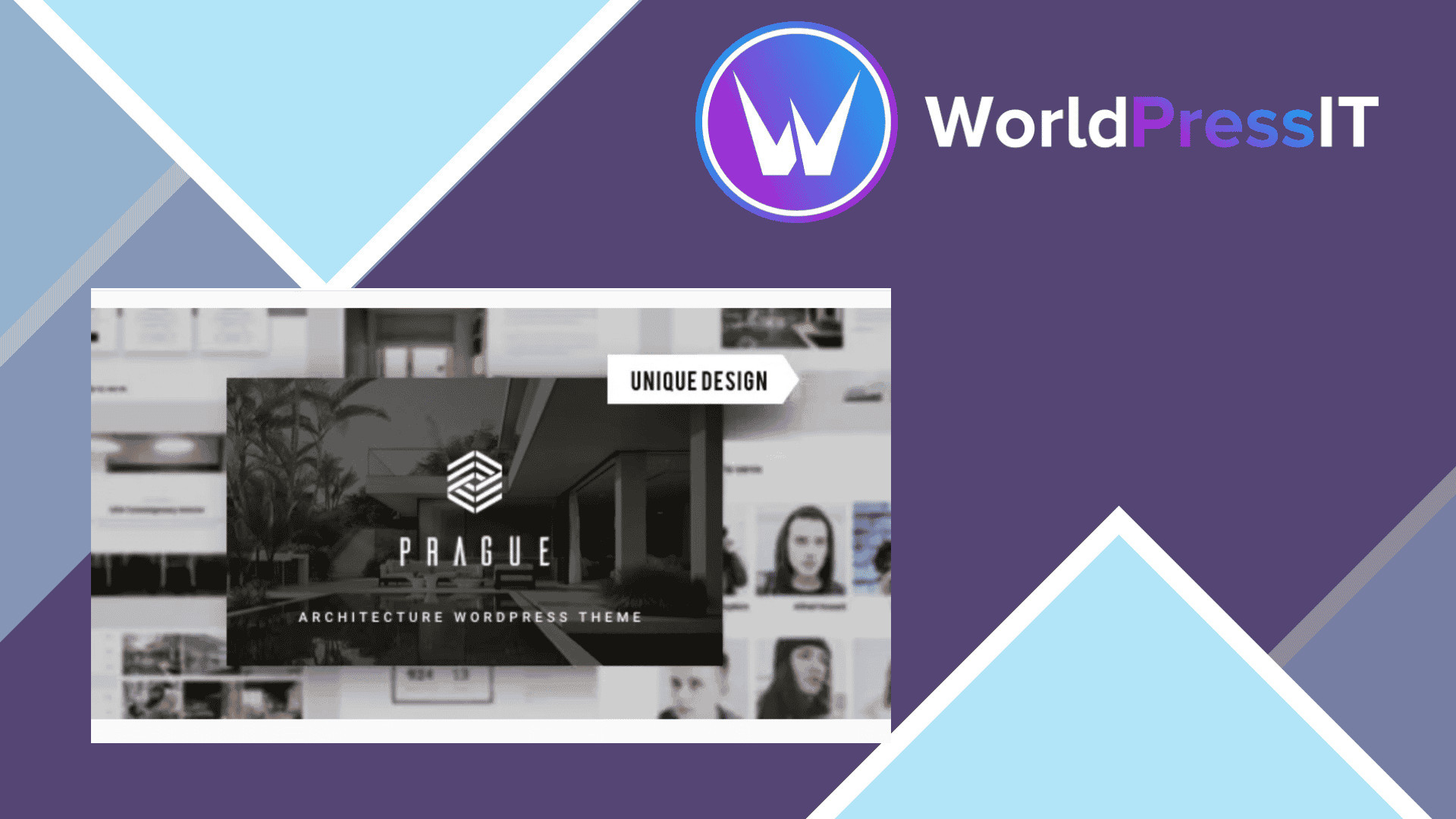
Prague is worth it for a specific kind of website: a design-led portfolio for an architecture firm, interior designer, renovation company, or 3D visualization studio. It is not really competing with lightweight business themes. Its purpose is to make project photography, case studies, galleries, before-and-after work, and fullscreen presentations look impressive with relatively little design work.
The strongest part of Prague is the amount of visual material you get out of the box. The official product page lists 29 homepage layouts, nine portfolio showcase styles, and more than 40 inner-page templates. That is a useful starting point when you need a credible site quickly and do not want to design every project page from scratch. The demo collection covers practical formats such as minimalist portfolios, timelines, split-screen layouts, sliders, parallax presentations, and before-and-after showcases.
It also has a better feature match for design studios than a generic corporate theme. Project layouts can support large images, video, parallax effects, fullscreen sliders, and presentation-focused navigation. WooCommerce compatibility is available if the studio sells prints, products, consultations, or packaged services, although the store features are secondary rather than a reason to choose Prague. The theme has also been maintained for years, with recent compatibility work for WordPress, PHP, WooCommerce, Elementor, WPBakery, and bundled extensions.
There are two important catches. First, Prague is built around a fairly heavy WordPress stack. WPBakery handles much of the page layout, Revolution Slider is used for visual headers and presentations, and the Prague plugin supplies theme-specific elements. That combination can produce attractive pages, but it also means more plugins, more scripts, and more places for an update to affect the design. Revolution Slider and large, uncompressed portfolio images can be especially damaging to loading performance if the site is not optimized.
Second, Prague is not especially portable. Content created with WPBakery and Prague-specific widgets will not automatically become clean Gutenberg blocks if you later move to another theme. Switching to Astra, Kadence, or a block theme would likely mean rebuilding important page sections. Elementor support improves flexibility, but it does not remove the underlying theme lock-in, and the theme’s earlier history was centered on WPBakery.
Compared with Astra or Kadence, Prague gives you a more specialized visual identity and far more architecture-focused demos, but those alternatives are generally easier to keep lean and easier to redesign later. Compared with Elementor paired with a lightweight theme, Prague is faster to turn into a finished showcase, while the standalone Elementor approach gives you more control over the long-term page-building system. Compared with other architecture themes such as Architecturer, Prague’s case-study and presentation layouts are its main selling point.
The regular listing includes six months of support and future updates, and the product page currently lists a $59 price. That is reasonable for a client project where the demo layouts save setup time. The verdict is therefore positive but narrow: buy Prague when the portfolio presentation is the priority and you are comfortable maintaining a builder-heavy theme. Skip it if performance, portability, or native WordPress editing matters more than visual variety.
Questions people ask
- Is Prague a good WordPress theme for an interior design website?
- Yes. Its portfolio templates, fullscreen presentations, galleries, parallax sections, and before-and-after layouts are well suited to interior design work.
- Does Prague use Elementor or WPBakery?
- It supports both Elementor and WPBakery in its current listing, but much of its established ecosystem and demo content is built around WPBakery and Prague-specific elements.
- Is Prague fast?
- It can be made acceptable with image compression, caching, and careful use of sliders, but the WPBakery, Revolution Slider, video, and large-gallery setup is not naturally lightweight.
- Will my content work if I change from Prague to another theme?
- Your standard WordPress content should remain, but layouts built with WPBakery and Prague-specific widgets will usually need substantial rebuilding in a theme such as Astra, Kadence, or a block theme.
Get Prague: worth it for architecture portfolios, not general sites 2.5.13
Complete package, ready to install, via WorldPressIT.