Interno: worth it for a focused design portfolio, not every agency
- architecture studios
- interior design firms
- furniture and renovation businesses
- freelancers building portfolio sites
- Elementor-based client projects
- you want Gutenberg or block-editor workflows
- you need a large support community
- you want a lightweight multipurpose theme
- you need complex ecommerce features
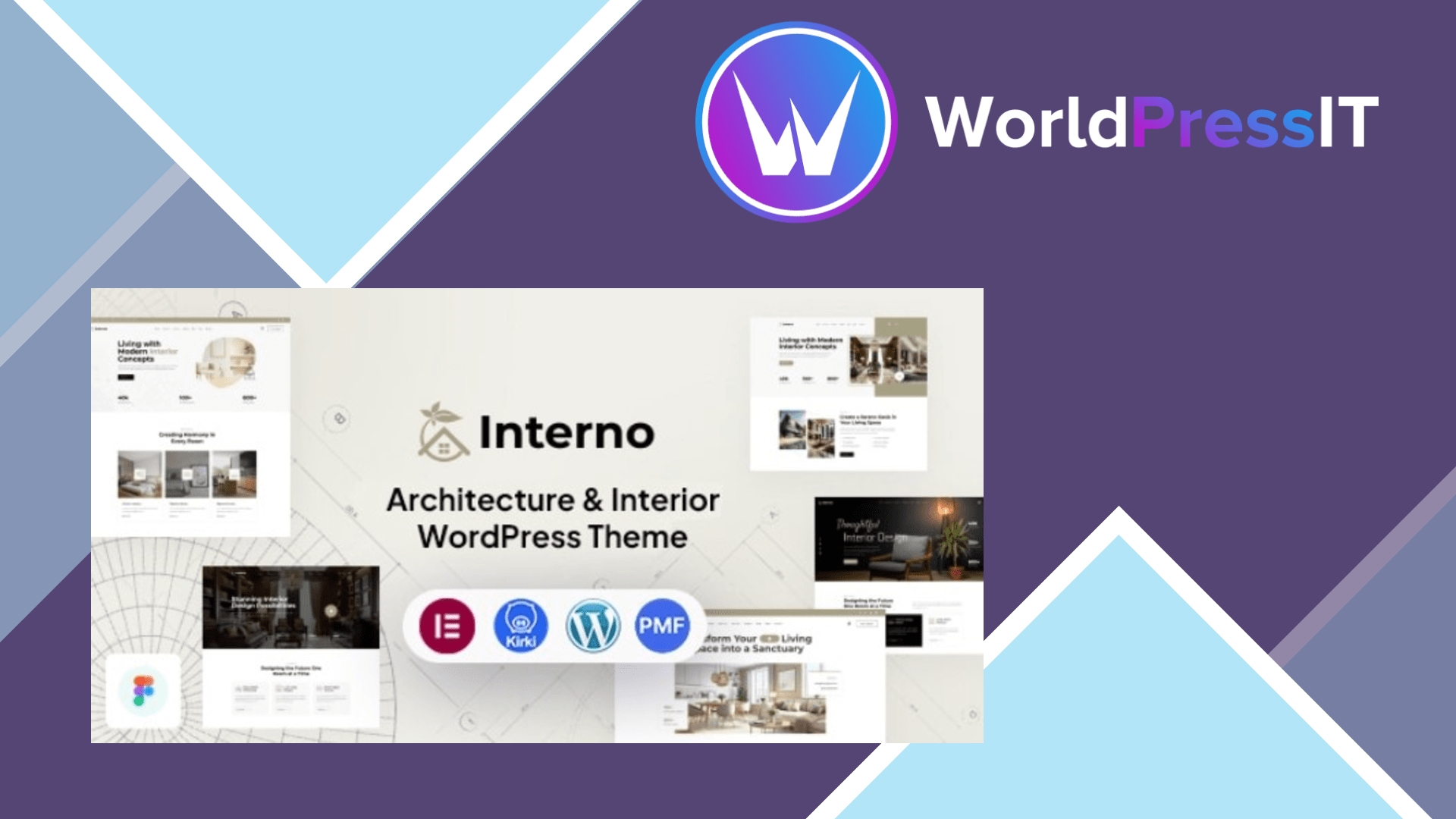
Interno is a niche Elementor theme built to get architecture, interior design, construction, furniture, and creative portfolio sites looking finished quickly. Its value is primarily visual rather than technical: the demos use large imagery, generous spacing, project-focused layouts, and prominent calls to action that suit firms selling taste, experience, and a body of work. You get five homepage demos, more than 16 inner pages, six header variations, five footer variations, and 34 custom Elementor widgets. That is enough raw material for a small studio site without starting from a blank Elementor canvas.
The strongest part is the combination of niche layouts and editable global areas. Interno includes Elementor header and footer builders, custom color and typography controls, one-click demo import, Contact Form 7 compatibility, WooCommerce support, and RTL support added in a later update. It is also child-theme compatible, which matters if a developer needs to make template-level changes without editing the parent theme directly. The changelog shows repeated fixes for responsive behavior, CSS, the projects widget, demo importing, Elementor widgets, and plugin compatibility rather than a theme that was abandoned after launch.
That said, the product page is more convincing as a design catalogue than as technical documentation. The documentation claim is present, but there is no substantial publicly indexed knowledge base that explains the theme’s custom widgets, project content structure, performance expectations, or migration path. The sales copy also makes broad claims such as SEO optimization and AMP support without explaining what the theme actually controls. Treat those as minor conveniences, not a replacement for a dedicated SEO plugin, caching setup, or performance testing.
The biggest practical weakness is ecosystem confidence. The marketplace listing shows only a small number of sales and two reviews. One buyer specifically complained about not getting help while the interface was faulty; the author’s response acknowledged a delayed support response during staff vacation. Marketplace support is available, but it is limited to technical questions, bugs, and included third-party assets, not customization or installation. That is acceptable for an experienced Elementor user, but frustrating for a client or beginner who expects the demo to be reproduced without troubleshooting.
Interno is also not Gutenberg optimized, so it is a poor fit if you want a modern block-first site or minimal dependence on a page builder. Compared with Inoterior, a more established architecture theme with a much larger sales history and a broader collection of demos, Interno feels smaller and less battle-tested. Compared with Astra plus Elementor, Interno is faster to shape into a distinctive design portfolio but gives you less flexibility and a more theme-specific content structure. A block theme such as Intrace is a better direction for users who want Full Site Editing. Buy Interno when its visual language matches the brief and you value speed over ecosystem depth; otherwise, choose the safer platform.
Questions people ask
- Is Interno a good WordPress theme for an architecture portfolio?
- Yes, especially if you want ready-made project layouts and are comfortable with Elementor. It is designed around visual presentation rather than complex publishing workflows.
- Does Interno require Elementor?
- Interno is built around Elementor and includes 34 custom Elementor widgets, so Elementor is central to the intended editing experience. Avoid it if you want to work mainly with Gutenberg blocks.
- Does Interno support WooCommerce?
- Yes, the developer lists WooCommerce compatibility and support. It is suitable for a small furniture or design-related shop, but it is not primarily an ecommerce theme.
- Is Interno regularly updated?
- The changelog shows updates addressing WordPress, WooCommerce, plugin compatibility, responsive behavior, CSS, demo imports, and project widgets. The public support and review history is still relatively small.
Get Interno: worth it for a focused design portfolio, not every agency 1.1.1
Complete package, ready to install, via WorldPressIT.