WPFunnels Pro: worth it for WooCommerce upsells, not every store
- WooCommerce stores testing upsells
- Digital-product sellers
- Course and membership businesses
- Elementor or Gutenberg users
- Marketers who want funnel analytics
- You only need checkout styling
- You sell without WooCommerce
- You will not run offer tests
- You need a deeply integrated CRM suite
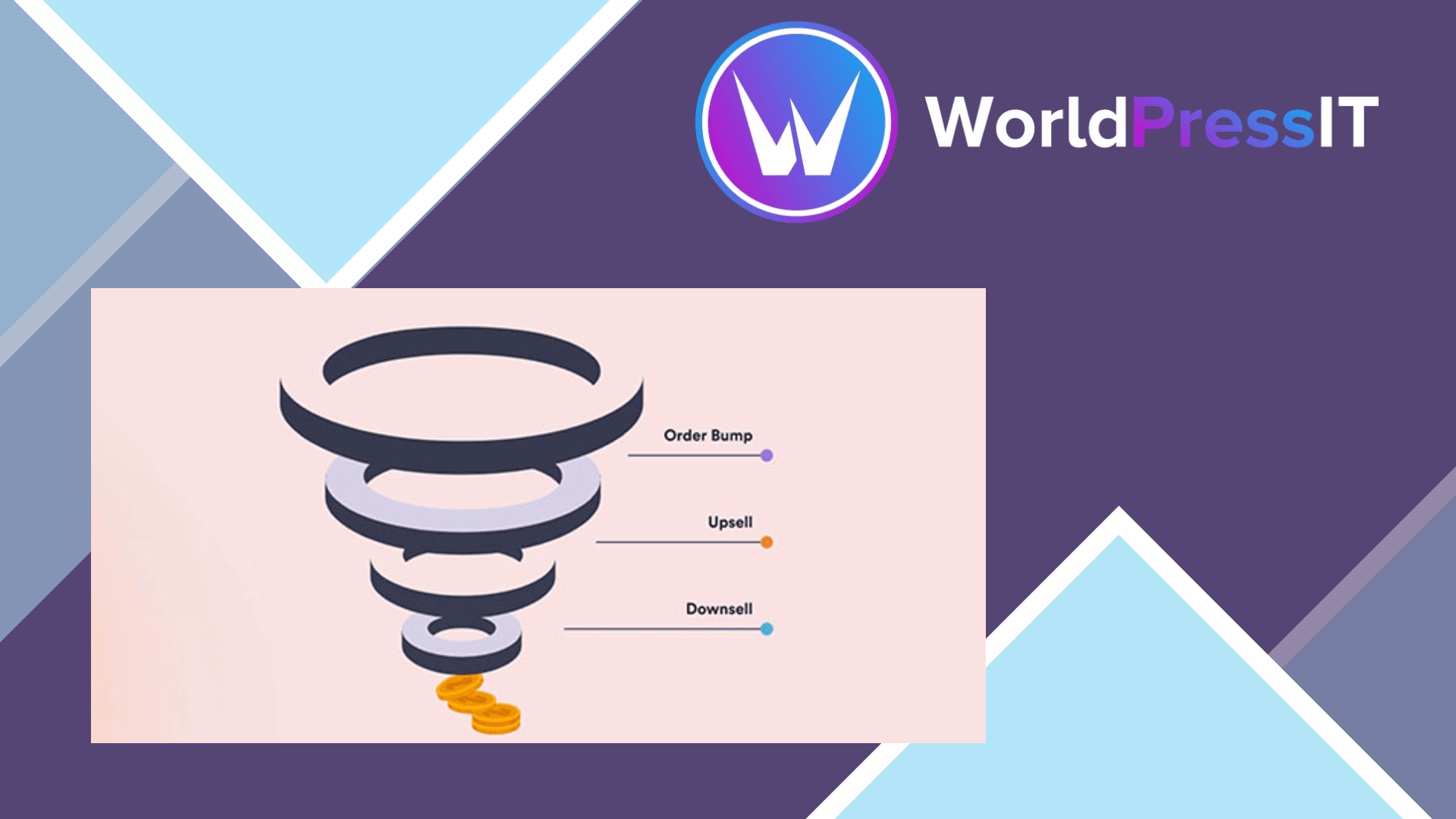
Verdict: WPFunnels Pro is a credible WooCommerce funnel builder, but it is not an automatic buy. Its value comes from combining checkout customization, order bumps, post-purchase offers, conditional journeys, A/B testing, and analytics in the WordPress dashboard. If those features can raise your average order value, the upgrade makes sense. If you just need a landing page and a standard checkout, the free version or a simpler plugin is probably enough.
The strongest part is the funnel workflow. WPFunnels lets you map landing pages, checkout, thank-you pages, upsells, downsells, and conditional paths visually. Pro adds multiple order bumps, one-click upsells and downsells, A/B testing, funnel analytics, multi-step checkout, subscription-product support, import/export, tracking tools, and more advanced funnel controls. The documentation also lists support for WooCommerce and page builders including Elementor, Gutenberg, Divi, Bricks, and Oxygen. That makes it a practical fit for stores already built around those tools rather than a platform that forces you into a separate funnel system. ([getwpfunnels.com](https://getwpfunnels.com/docs/getting-started-with-wpfunnels/free-vs-pro/?utm_source=openai))
It is particularly useful for digital products, courses, memberships, and low-friction WooCommerce offers. A checkout order bump can add a related product before payment, while a one-click upsell or downsell can present another offer after the original transaction. The plugin also supports conditional journeys based on actions such as accepting or rejecting an offer, submitting a form, cart total, and customer country. Those are concrete conversion features, not just page-building decoration. ([getwpfunnels.com](https://getwpfunnels.com/docs/getting-started-with-wpfunnels/basic-plugin-overview/order-bump/?utm_source=openai))
The main weakness is that the product can become plan-heavy and setup-heavy. The official comparison separates basic funnel features from higher-tier capabilities such as global WooCommerce funnels, CRM and automation integrations, and LearnDash funnels. The pricing page currently lists a one-site Starter plan at $103.99 per year on sale from $129.99, while broader automation and multi-site functionality sits in more expensive tiers. That makes the purchase harder to justify for a small store that will use only one checkout or one upsell. ([getwpfunnels.com](https://getwpfunnels.com/docs/getting-started-with-wpfunnels/free-vs-pro/?utm_source=openai))
There are also signs that compatibility and presentation need attention. One recent WordPress.org review specifically criticized the order-bump design for limited typography controls and a blurry product image. Support threads describe funnel editing failures, product-assignment problems, builder errors, and template-loading issues, although the developer generally responded and marked reported problems resolved. Oxygen users in particular have reported JavaScript and template problems that were redirected to the developer’s private support channel because the forum covers the free plugin. ([wordpress.org](https://wordpress.org/plugins/wpfunnels/?utm_source=openai))
Compared with FunnelKit, WPFunnels is attractive when you want a visual canvas and a relatively approachable WordPress-native workflow, but FunnelKit is often the safer choice for stores wanting a broader mature checkout and automation stack. Compared with CartFlows, WPFunnels offers a similar funnel-and-offer concept and can be more appealing if you prefer its builder integrations, but the decision should come down to the exact payment gateways, page builder, subscriptions, and CRM connections your site uses. WPFunnels earns a recommendation for focused WooCommerce conversion work, not for every WordPress site.
Questions people ask
- Is WPFunnels Pro worth it for WooCommerce?
- Yes, if you will use upsells, downsells, order bumps, A/B testing, or funnel analytics. It is harder to justify if you only need a custom checkout or landing page.
- Does WPFunnels Pro support one-click upsells?
- Yes. Pro includes one-click upsell and downsell steps that can be placed after the checkout, with conditional paths based on customer actions.
- Does WPFunnels work with Elementor?
- Yes. WPFunnels provides dedicated Elementor widgets and templates, along with integrations for Gutenberg, Divi, Bricks, and Oxygen.
- Is WPFunnels better than CartFlows?
- Neither is universally better. WPFunnels is a strong choice for its visual funnel canvas and WooCommerce offer logic, while CartFlows may be preferable if its checkout, gateway, or builder compatibility better matches your store.
- Does WPFunnels have a free version?
- Yes. The free version includes lead funnels, WooCommerce sales funnels, checkout customization, an order bump, templates, and integrations with several page builders, but Pro adds deeper offer testing, analytics, and advanced funnel features.
Get WPFunnels Pro: worth it for WooCommerce upsells, not every store 2.10.1
Complete package, ready to install, via WorldPressIT.