Sparks for WooCommerce: worth it if you need several store features
- WooCommerce stores needing multiple conversion features
- Neve and Otter users
- Stores selling products with many variations
- Agencies standardizing WooCommerce builds
- Merchants wanting one dashboard for several add-ons
- You only need a wishlist or swatches
- You expect a caching or speed optimization plugin
- Your store uses a heavily customized product template
- You want a large public support community
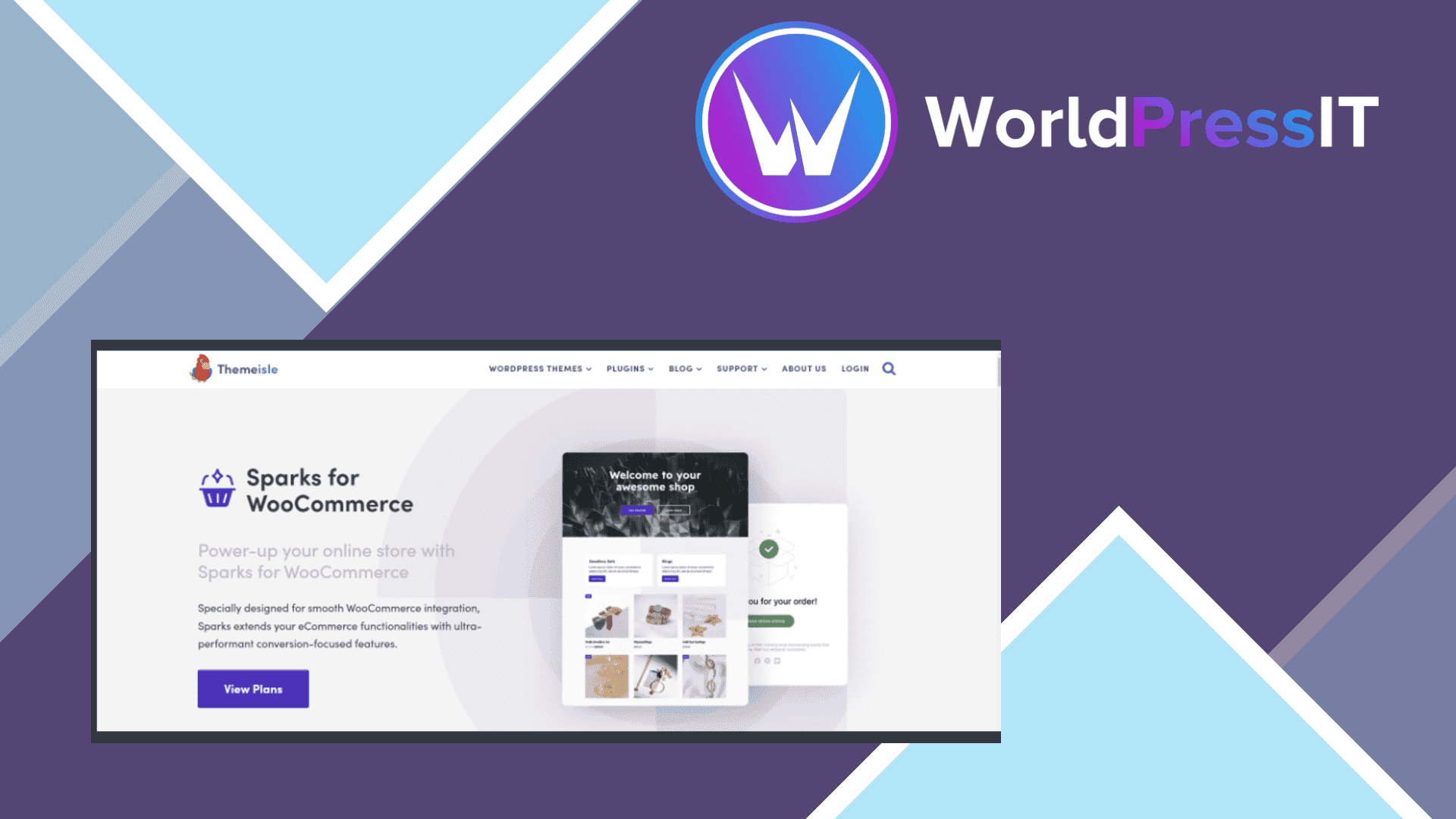
Sparks for WooCommerce is an all-in-one feature plugin, not a speed optimizer. It adds eight optional modules to WooCommerce: product wishlists, product comparisons, variation swatches, quick view, advanced reviews, product tabs, announcement bars, and custom thank-you pages. The attraction is convenience. Instead of assembling several separate extensions, you activate the pieces you need from one Sparks dashboard.
The strongest part of the product is the breadth of its practical storefront controls. Variation swatches can replace standard dropdowns with colors, images, or labels, including on product archive cards. Product tabs can be created globally or per product, assigned to categories, reordered, hidden, or renamed. The advanced review module adds review titles, image uploads, anonymized reviewer names, and voting. Those are meaningful improvements for stores with technical products, visual variants, or a large amount of buying information.
The post-purchase tools are also more useful than the typical WooCommerce add-on. Custom thank-you pages can be selected by product, category, payment gateway, or shipping method, while announcement bars can react to cart contents, product types, user status, and time-based rules. That gives a store owner a way to promote free-shipping thresholds, cross-sells, onboarding instructions, or product-specific offers without adding a separate funnel plugin.
There are important limits. Every module is controlled by the product license, and the documentation says the modules become unavailable on the front end when the license expires or is deactivated. That makes Sparks a continuing dependency rather than a tool you can safely configure once and forget. It also means you should test renewal and license activation on staging before relying on it for checkout or post-purchase flows.
Sparks is not automatically lightweight just because its modules are optional. Themeisle documents conditional module assets, but each enabled feature still adds templates, styles, scripts, or WooCommerce hooks. A store that activates all eight without using them gains complexity for no clear benefit. The plugin also has a history of compatibility fixes involving themes, archive-page variation swatches, mobile comparison tables, review image popups, and third-party extensions. Those fixes are encouraging, but they show why heavily customized shops should test product archives, quick view, reviews, checkout, and mobile layouts carefully.
Compared with YITH WooCommerce Wishlist, Sparks makes sense only when you also need its other modules. Compared with dedicated products such as Variation Swatches for WooCommerce, IconicWP extensions, or official WooCommerce add-ons, it offers less depth per feature but fewer separate licenses and plugin interfaces. WooCommerce.com lists a one-year plan at $79 when checked, so the value depends on using at least two or three modules. If you need only one feature, buy the focused alternative. If you need a coordinated set of storefront improvements, Sparks is a sensible, but situational, purchase.
Questions people ask
- Is Sparks for WooCommerce a performance plugin?
- No. It adds WooCommerce shopping and conversion features such as wishlists, swatches, quick view, reviews, and custom thank-you pages. It does not replace caching, image optimization, or a dedicated performance plugin.
- How many modules does Sparks for WooCommerce include?
- It includes eight modules: wishlists, product comparisons, variation swatches, quick view, advanced reviews, product tabs, multi-announcement bars, and custom thank-you pages.
- What happens when the Sparks license expires?
- Themeisle's documentation says the modules become unavailable on the front end when the license expires or is deactivated. Test the renewal process before depending on Sparks for checkout or post-purchase functionality.
- Is Sparks better than YITH WooCommerce Wishlist?
- Only if you need more than a wishlist. YITH is the more focused choice for wishlist functionality, while Sparks is more economical and convenient when you also need swatches, tabs, reviews, quick view, or announcement bars.
Get Sparks for WooCommerce: worth it if you need several store features 2.0.4
Complete package, ready to install, via WorldPressIT.