Electro Electronics Store WooCommerce Theme: worth it for feature-heavy stores, not lean shops
- electronics catalog stores
- affiliate and dropship sites
- multi-vendor WooCommerce projects
- stores needing advanced product layouts
- developers comfortable with Elementor
- you want a native Gutenberg workflow
- speed and simplicity are the top priorities
- you need a minimal theme with few dependencies
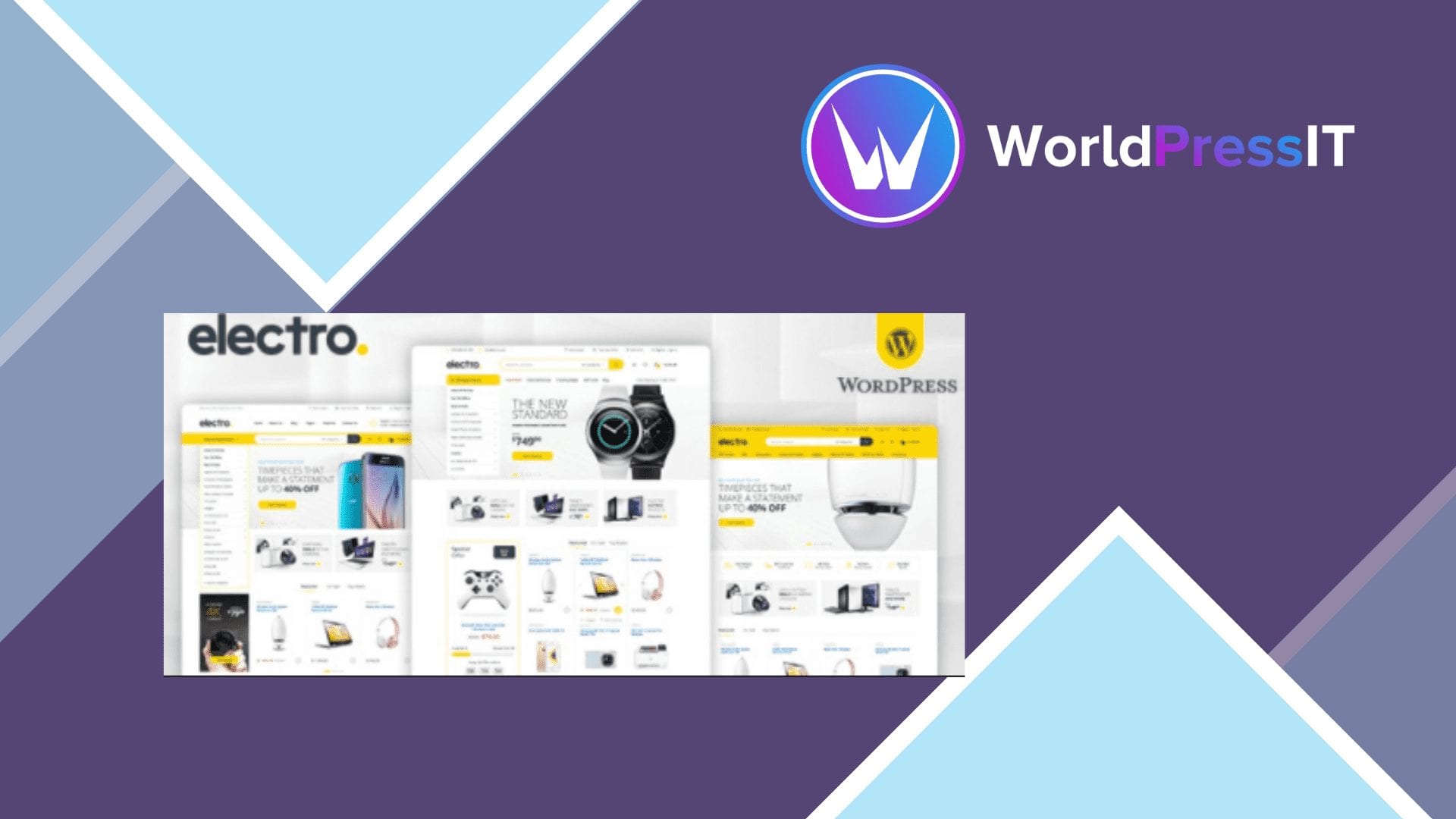
Electro is a real storefront system, not just an electronics-themed skin. It adds the dense catalog presentation that electronics shoppers expect: advanced live search, product comparison, wishlists, specifications, accessories, product carousels, mega menus, catalog mode, brand displays, and multiple product-page layouts. The bundled Electro Extensions plugin supplies several of those features, including live search, advanced reviews, product deals, accessories management, specifications, and a store directory. That makes Electro unusually well suited to stores selling many technical products rather than a small shop with a handful of items. ([themeforest.net](https://themeforest.net/item/electro-electronics-store-woocommerce-theme/15720624?utm_source=openai))
Where Electro is genuinely strong
The strongest argument for Electro is its breadth. The developer documents 17 home-page types, three single-product layouts, multiple shop-column configurations, responsive mega menus, and integrations with Elementor, WPBakery, YITH Wishlist, and YITH Compare. It also supports several marketplace plugins, including Dokan, WC Vendors, WCFM Marketplace, and Webkul’s Multi Vendor Marketplace. In other words, it can give a new electronics store the visual vocabulary of a much larger retailer without building every catalog component from scratch. ([docs.madrasthemes.com](https://docs.madrasthemes.com/electro/?utm_source=openai))
It is also a safer long-term purchase than many abandoned ThemeForest themes. The item page shows ongoing updates, a current listed price of $59, future updates, and six months of developer support. The listing records a 4.84-star rating from roughly 1,000 reviews and more than 25,000 sales, which is not proof that every installation will be smooth, but it is meaningful evidence of a large user base and continued maintenance. ([themeforest.net](https://themeforest.net/item/electro-electronics-store-woocommerce-theme/15720624?utm_source=openai))
Where it becomes annoying
Electro’s flexibility comes with setup overhead. The documentation tells users to import the dummy data and then import an Elementor kit to reproduce the demo pages. That is not a one-click blank-to-finished-store experience, especially if you choose WPBakery or want to rebuild the layout without a page builder. The documentation is extensive, but parts of the older documentation are visibly dated, with pages last updated in 2017 and separate documentation tracks for older Electro releases. ([docs.madrasthemes.com](https://docs.madrasthemes.com/electro/?utm_source=openai))
The theme is also not Gutenberg optimized. That matters because a new WooCommerce site built around the block editor will be working against Electro’s intended workflow rather than with it. A builder-heavy stack can make templates harder to replace later, and several headline features live in the theme’s companion extension rather than in portable WooCommerce data. That creates a practical form of lock-in: changing themes may mean rebuilding search, specifications, accessories, reviews, or custom catalog sections. This is an inference from how the developer packages those features, but it is an important one for a store expected to last years. ([themeforest.net](https://themeforest.net/item/electro-electronics-store-woocommerce-theme/15720624?utm_source=openai))
Support boundaries are another limitation. MadrasThemes says it supports marketplace integrations such as Dokan and WCFM for compatibility and interface problems, but not the underlying third-party plugin issues. That is reasonable, yet it means a multi-vendor owner still needs separate expertise for commissions, vendor workflows, payouts, and marketplace bugs. Electro supplies the storefront layer; it does not turn WooCommerce into a complete marketplace by itself. ([themeforest.net](https://themeforest.net/item/electro-electronics-store-woocommerce-theme/15720624?utm_source=openai))
How it compares
Compared with Storefront, Electro gives you a far more finished retail interface and many more catalog tools, but Storefront is the cleaner foundation if you want to compose the shop with WooCommerce extensions and custom code. Compared with Astra or Kadence, Electro is more specialized and provides better electronics-style merchandising out of the box, while those multipurpose themes generally offer a less opinionated starting point. Compared with Flatsome, Electro is similarly geared toward visual WooCommerce stores, but Electro’s distinctive advantage is its electronics-specific specifications, accessories, directory, and marketplace positioning.
Verdict: buy Electro when its built-in catalog features will replace several separate plugins and you are happy to work with Elementor or WPBakery. Skip it for a simple store, a block-first build, or a project where minimal dependencies and easy theme switching matter more than Amazon-style merchandising.
Questions people ask
- Is Electro a good WooCommerce theme for an electronics store?
- Yes. Its strongest features are designed for large electronics catalogs, including live search, specifications, accessories, comparisons, brands, and multiple product layouts. It is overkill for a small, simple shop. ([themeforest.net](https://themeforest.net/item/electro-electronics-store-woocommerce-theme/15720624?utm_source=openai))
- Does Electro work with Elementor?
- Yes. Electro supports Elementor and provides Elementor-specific home pages and kits, but you must import the Elementor kit after importing the demo data if you want the demo layout reproduced closely. ([docs.madrasthemes.com](https://docs.madrasthemes.com/electro/?utm_source=openai))
- Is Electro compatible with Gutenberg?
- The marketplace listing says Electro is not Gutenberg optimized. It is better suited to its predefined templates and Elementor or WPBakery-based workflow. ([themeforest.net](https://themeforest.net/item/electro-electronics-store-woocommerce-theme/15720624?utm_source=openai))
- Can Electro create a multi-vendor marketplace?
- It can provide the storefront design for a marketplace using plugins such as Dokan, WC Vendors, WCFM Marketplace, or Webkul. Those plugins still handle the actual vendor, commission, payout, and marketplace functions. ([themeforest.net](https://themeforest.net/item/electro-electronics-store-woocommerce-theme/15720624?utm_source=openai))
- Does Electro include product comparison and wishlist features?
- Yes. The theme integrates with YITH Wishlist and YITH Compare and also advertises a custom product comparison page. ([themeforest.net](https://themeforest.net/item/electro-electronics-store-woocommerce-theme/15720624?utm_source=openai))
Get Electro Electronics Store WooCommerce Theme: worth it for feature-heavy stores, not lean shops 3.7.2
Complete package, ready to install, via WorldPressIT.